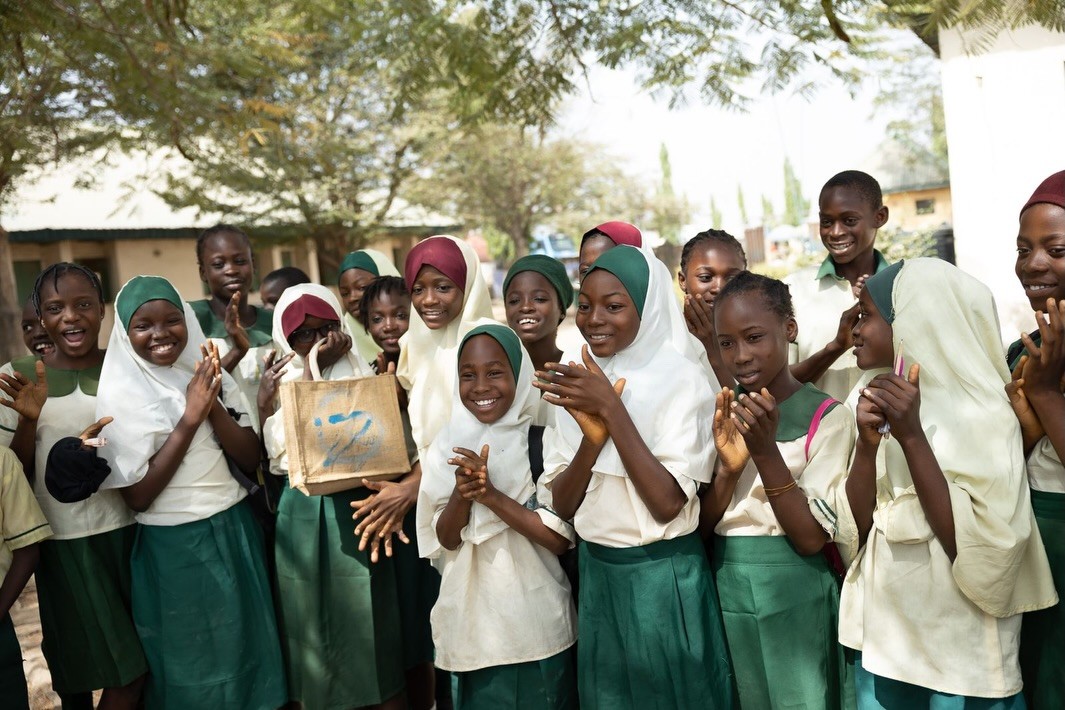
School-Based Educational Programmes
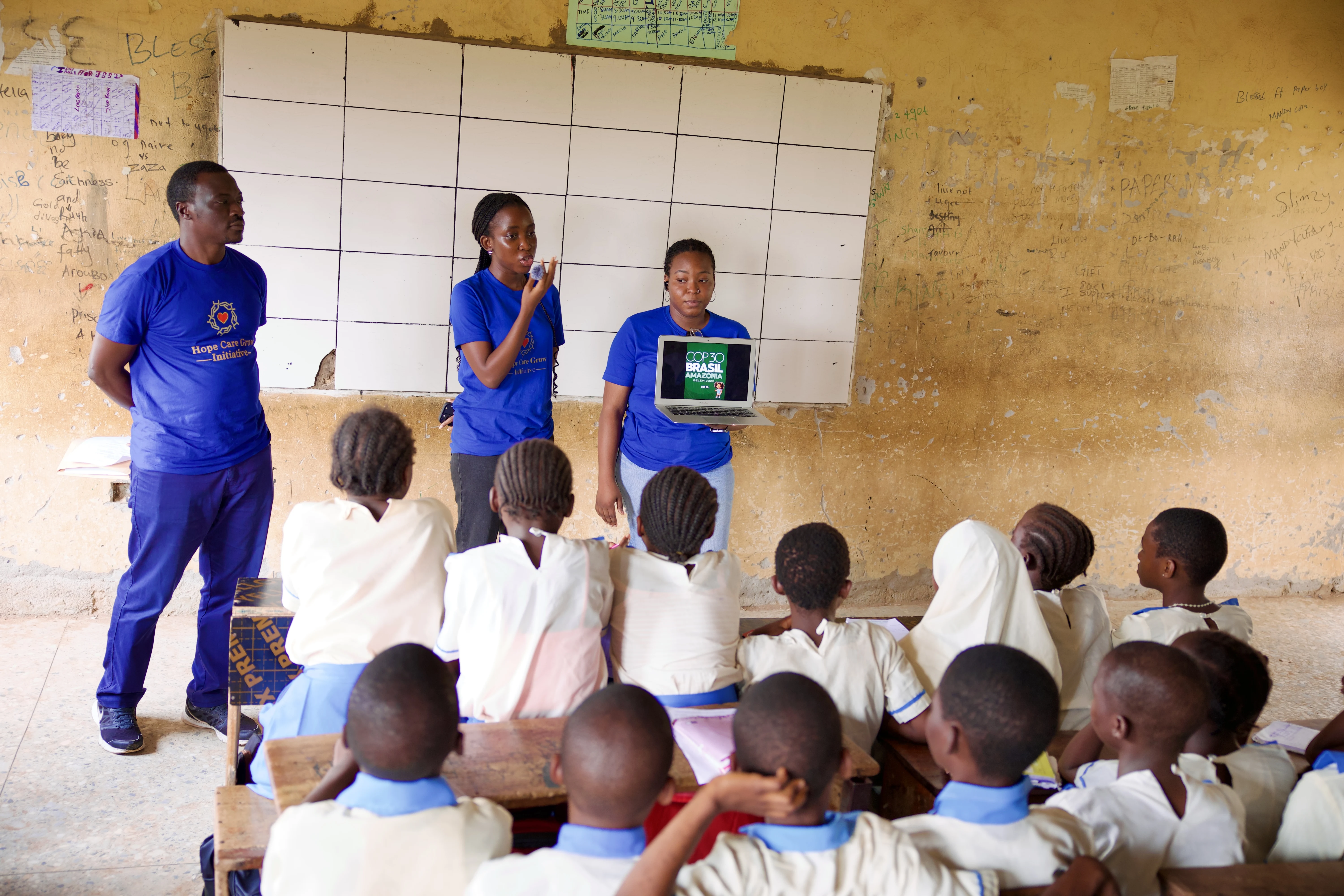
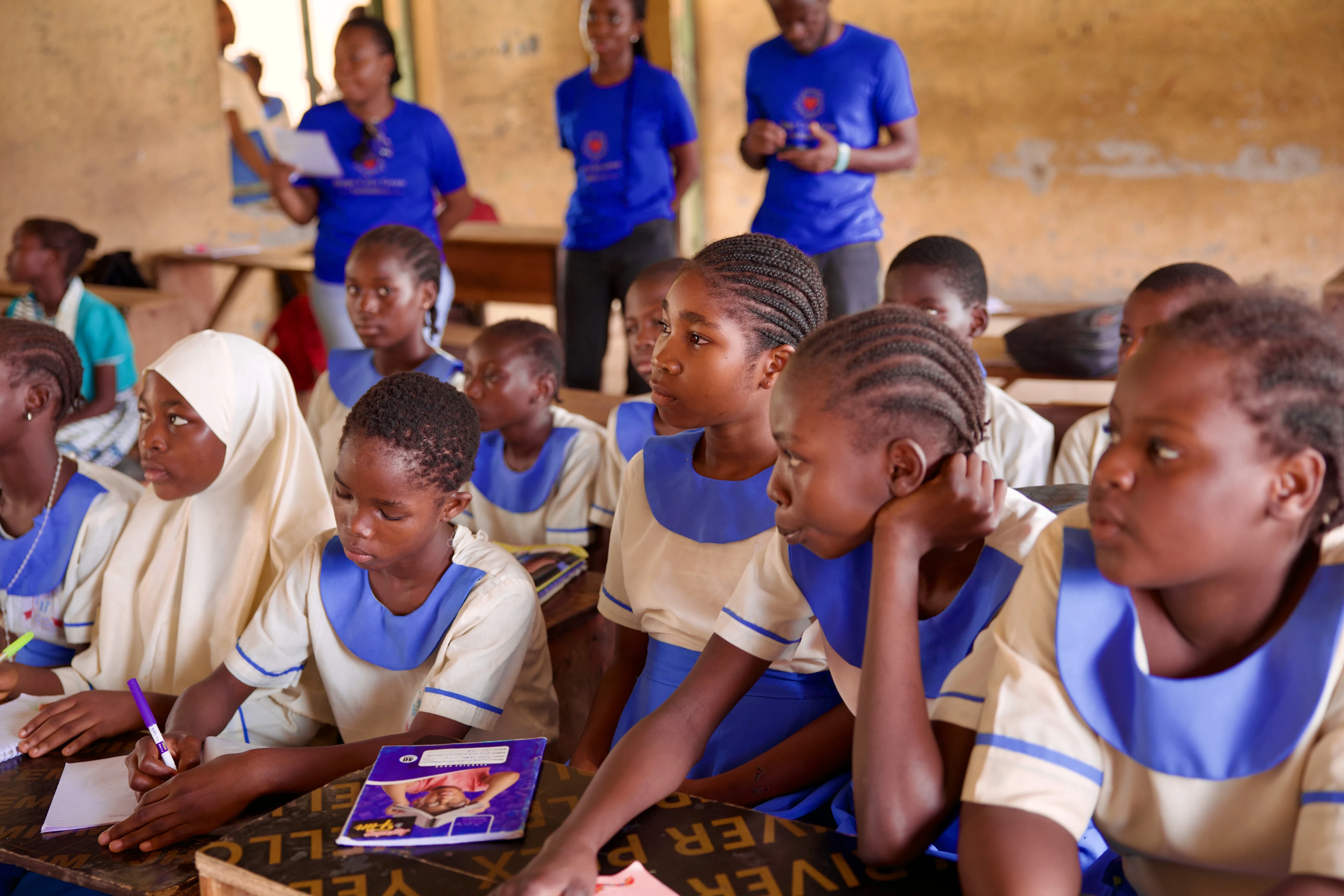
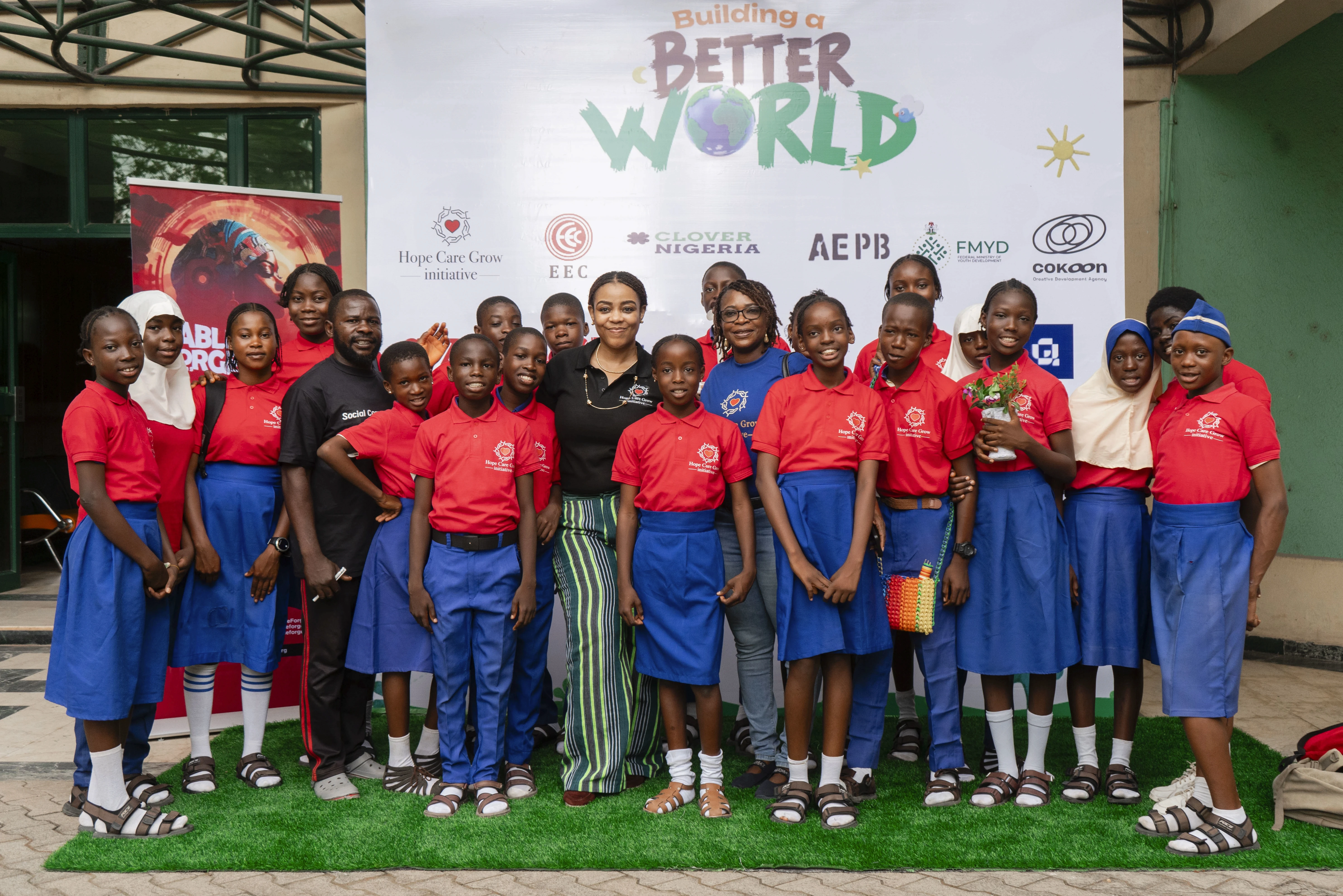
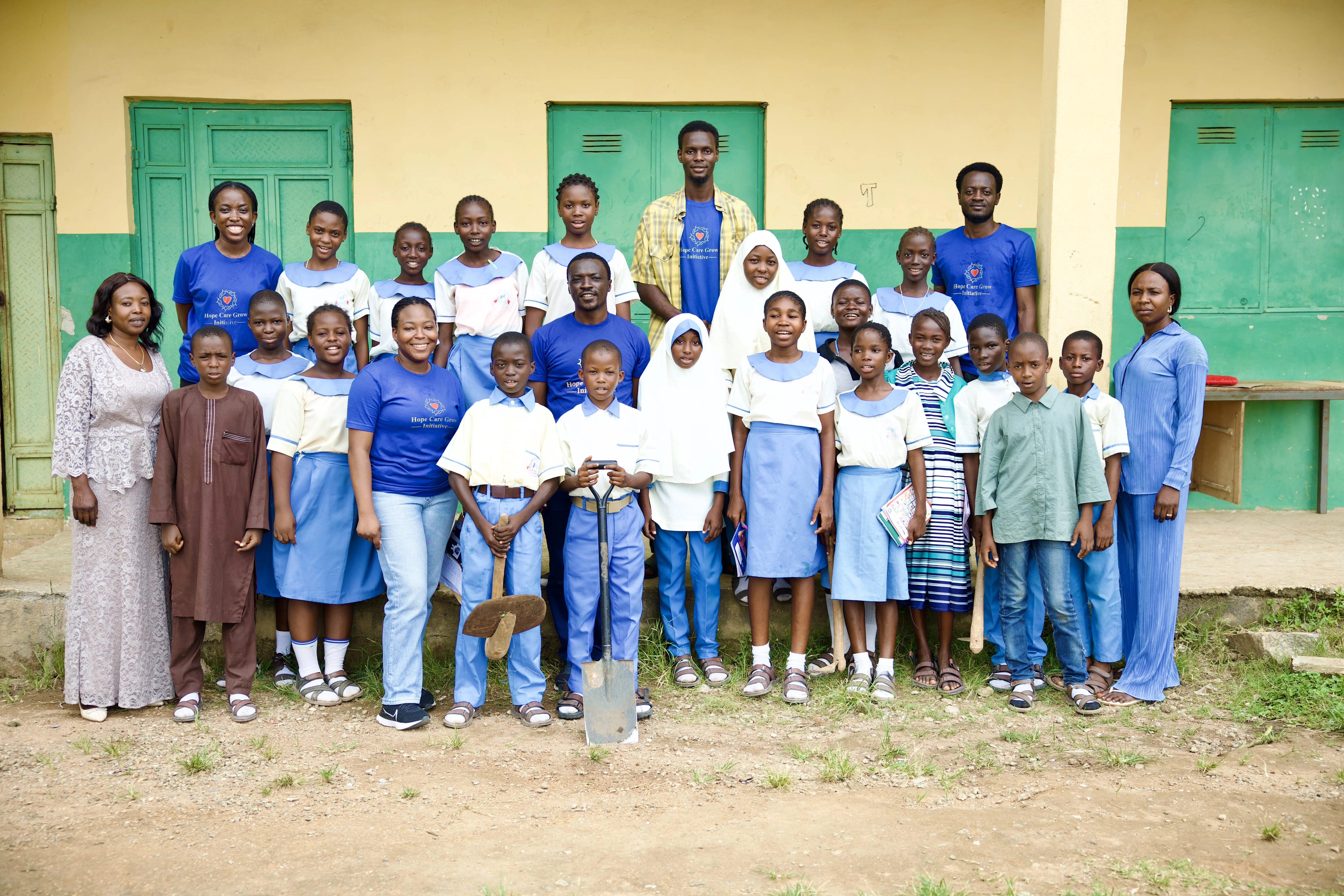
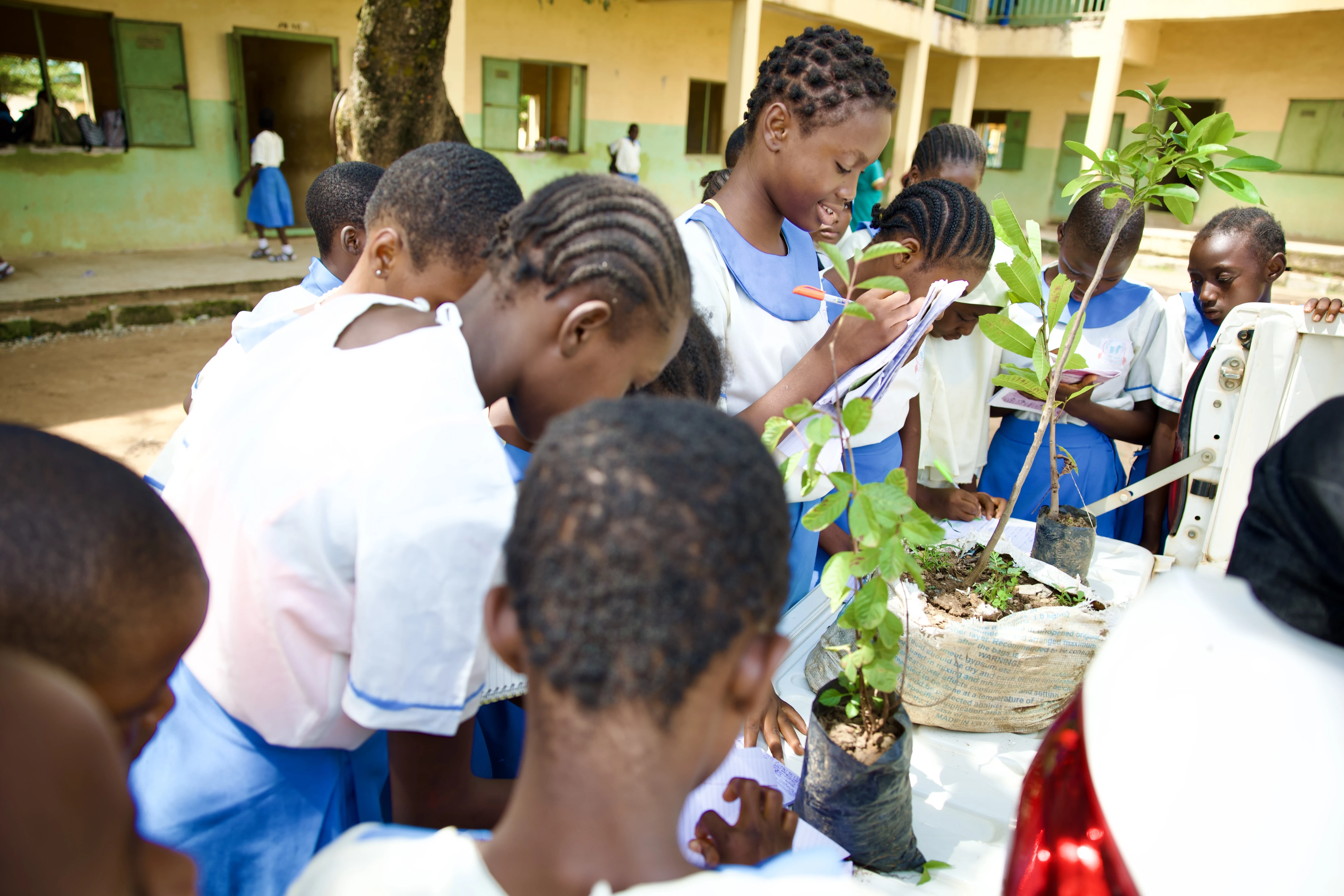
HCGI sets specific days for visitation to schools to continuously update and educate students on how tree planting can help mitigate the impact of environmental hazards and natural disasters. Through these scheduled visits, students learn practical applications of environmental conservation, including how trees reduce erosion, absorb excess water to lessen the severity of flooding and landslides, and contribute to overall climate resilience. These educational sessions provide hands-on learning experiences where students engage in actual tree-planting exercises that demonstrate the vital role of trees in climate regulation and carbon sequestration. At the 2025 children’s organized by HCGI at the Ministry of Environment (Green House Building) Maitama, Abuja, where several students participated as panellists.This significant event provided students with valuable public speaking experience while showcasing their understanding of environmental challenges and solutions.
The programme showcased the student’s growing expertise in climate issues and their capacity to contribute meaningfully to environmental discussions. The Children's Day program served as a platform for youth leadership development, allowing students to engage with government officials, environmental experts, and community leaders. Through their participation as panellists, students demonstrated the effectiveness of HCGI's peer-led climate advocacy approach and their transformation into environmental champions capable of leading climate action in their communities.
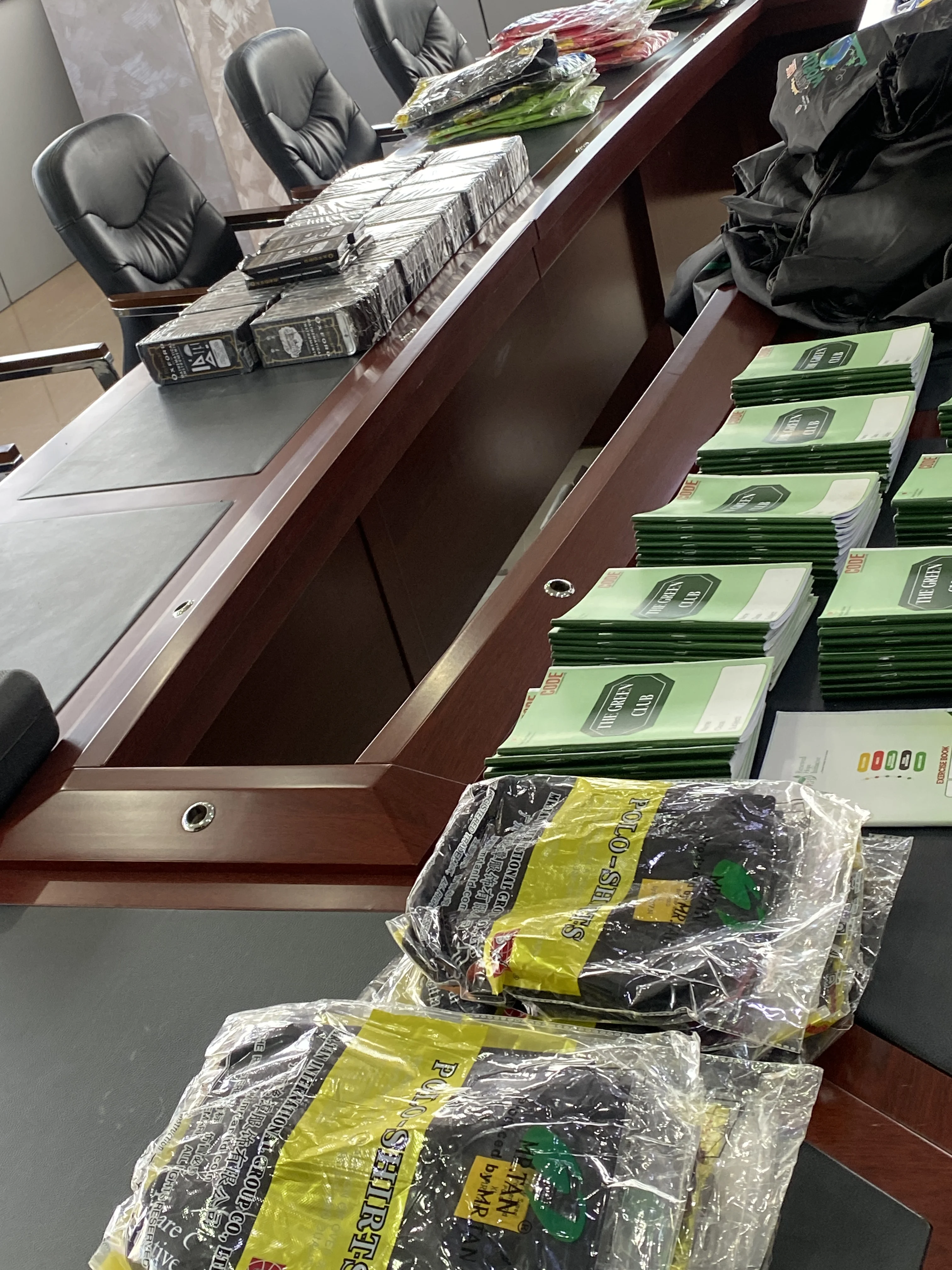
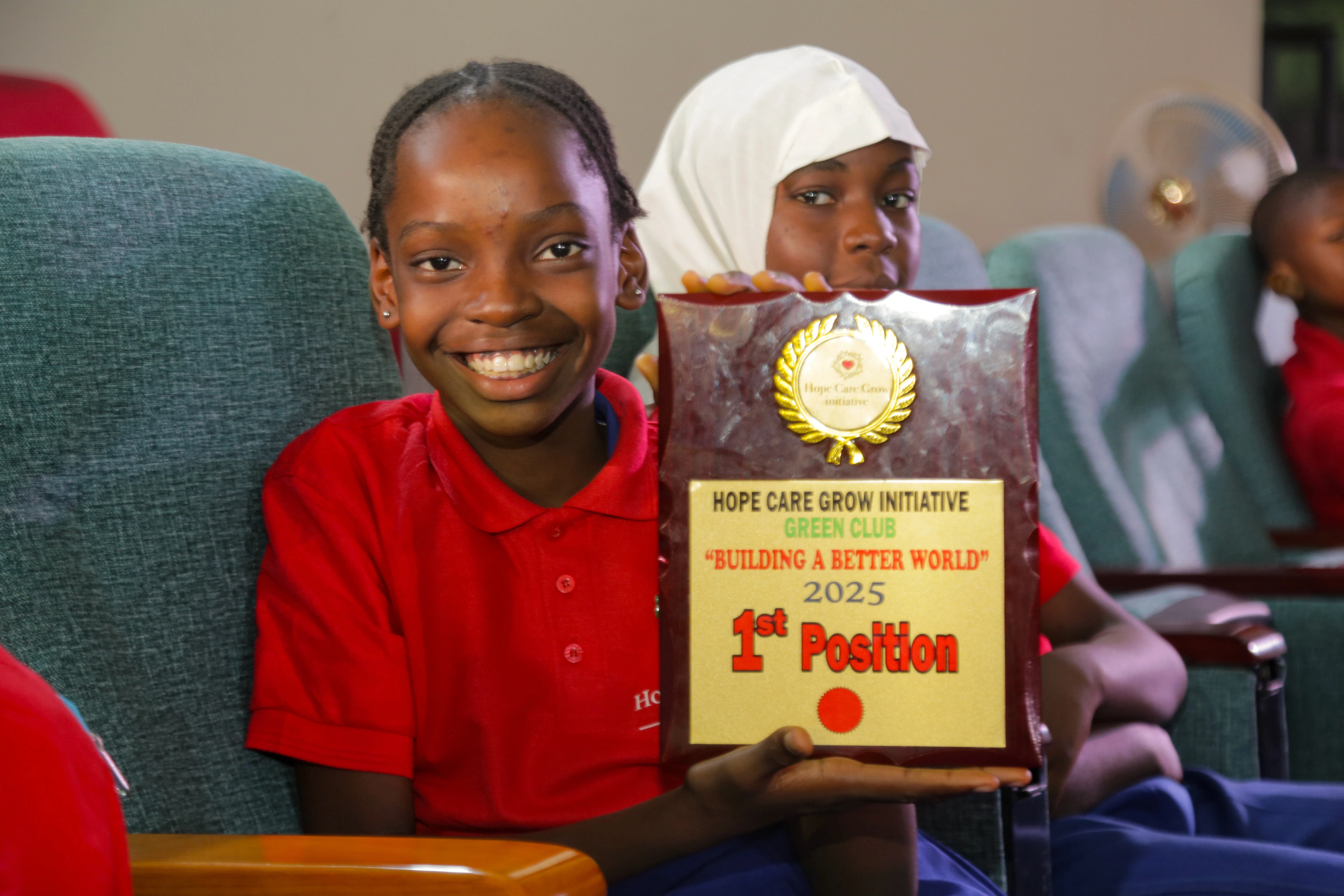
The student presentations, which was as a result of HCGI mentorship, engagement and follow-up with the schools for months, included artwork created from recyclable materials, singing and dancing performances, and poetry presentations that demonstrate environmental awareness and creativity. This innovative rewards system not only recognizes student achievements but also reinforces the importance of environmental consciousness and creative expression using sustainable materials. This initiative involved establishing carbon sequestration programs through tree-planting and climate-resilient agriculture through vegetable gardens to promote climate adaptation, nutrition security, and climate-smart self-reliance.
Scenes from the field

Stay in the Loop
Get exclusive updates on our latest projects.